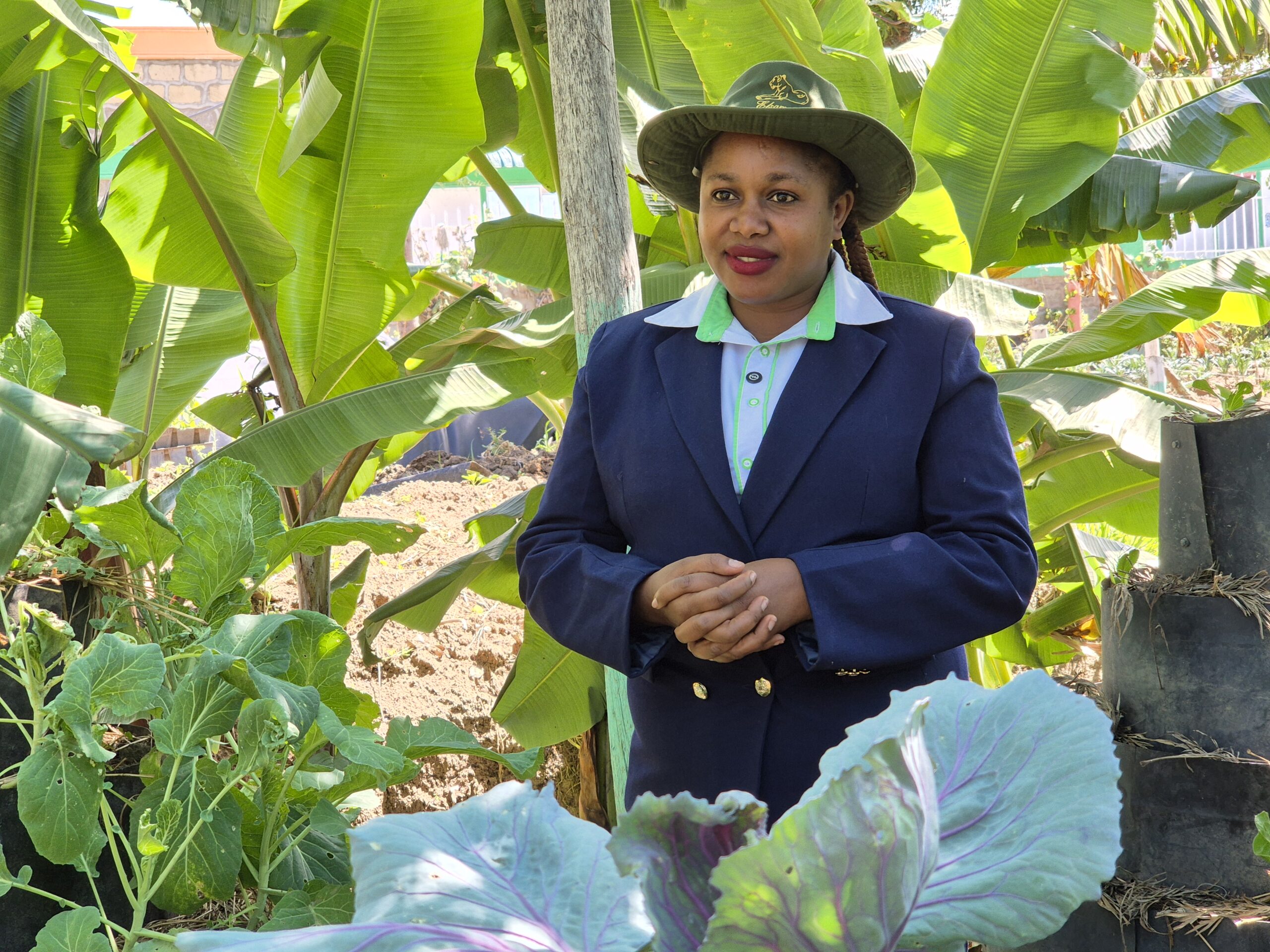
Dairy goat farming is quickly becoming one of the most profitable agribusiness ventures in Kenya. Not only is it affordable to start, but it also offers high returns with relatively low input costs. In fact, as more farmers shift toward sustainable and efficient farming systems, dairy goat farming continues to gain popularity across the country.
At Charis Farm in Naivasha, Nakuru County, Joyce Kihara has successfully turned dairy goat farming into a thriving business. According to her, this venture is not only profitable but also easy to manage, especially for beginners.
Why Dairy Goat Farming is Profitable in Kenya
To begin with, dairy goat farming requires significantly less feed compared to cattle farming. For instance, the amount of feed required for one cow can comfortably sustain up to ten goats. As a result, farmers can drastically reduce feeding costs while increasing productivity.
Moreover, dairy goats typically produce between one to two liters of milk per day. With goat milk retailing at around KES 200 per liter, farmers can generate steady daily income. Therefore, when you combine low feeding costs with high milk prices, the profitability becomes quite clear.
In addition, goat milk is highly valued due to its nutritional benefits. It is rich in calcium, easy to digest, and suitable for children, the elderly, and individuals with sensitive digestive systems. Consequently, the demand for goat milk continues to grow steadily.
Best Goat Breeds for Dairy Goat Farming
When starting goat farming, choosing the right breed is essential. At Charis Farm, the German Alpine breed is highly preferred. This breed is known for its high milk production and adaptability to different climatic conditions.
Furthermore, hardy breeds like the German Alpine can survive in both cold and warm environments. Therefore, farmers are encouraged to select breeds that can thrive in their specific local conditions to ensure long-term success.
Dairy Goat Management Practices
Effective management is crucial for maximizing productivity in dairy goat farming. Fortunately, goats are relatively easy to manage compared to other livestock.
First and foremost, goats require minimal space. This makes goat farming ideal even for farmers with limited land. Additionally, goats consume about 5 kilograms of feed per day, which is significantly lower than the 50 kilograms required by cows.
To ensure proper nutrition, farmers should provide:
- Mineral salts
- Fresh water
- Tree leaves such as lucerne
As a result, maintaining a balanced diet becomes both simple and cost-effective.
Value Addition in Dairy Goat Farming
Beyond milk production, value addition plays a key role in increasing profits. In fact, this is where many successful farmers make the most money.
For example, goat milk can be processed into:
- Cheese
- Yogurt
- Butter
- Ghee
- Ice cream
- Soap and skincare products
Therefore, instead of selling raw milk alone, farmers should consider processing their products. Not only does this increase shelf life, but it also opens up new market opportunities.
Housing and Structure Setup
Proper housing is essential in dairy goat farming. Joyce recommends using a zero-grazing system to enhance efficiency and control feeding.
Importantly, goat houses should be raised at least one meter above the ground. This helps prevent diseases such as pneumonia, which are often caused by damp and cold conditions.
Additionally, goats should be housed individually in well-ventilated cages. This setup:
- Reduces disease spread
- Improves hygiene
- Enhances monitoring
As a result, farmers can maintain healthier and more productive animals.
Common Diseases and Health Management
Although goats are generally hardy animals, they are still susceptible to certain diseases. The most common ones include:
- Pneumonia
- Pink eye
Therefore, farmers should regularly monitor their goats for signs such as:
- Loss of appetite
- Red or watery eyes
- Weight loss
- Unusual behavior
Whenever these symptoms appear, seeking veterinary assistance is highly recommended. In fact, having a reliable vet can significantly reduce losses and improve herd health.
Breeding in Dairy Goat Farming
Breeding is another critical aspect of goat farming. While crossbreeding is encouraged to improve productivity, inbreeding should always be avoided.
Crossbreeding allows farmers to combine desirable traits from different breeds. However, inbreeding can lead to weaker offspring and reduced productivity.
Moreover, before introducing new goats, farmers must ensure that the breed is suitable for their local climate. This way, they can maintain a healthy and resilient herd.
Waste Management and Sustainability
One of the biggest advantages of dairy goat farming is its sustainability. Goat waste can be converted into organic manure or compost.
As a result, farmers can:
- Improve soil fertility
- Reduce fertilizer costs
- Promote eco-friendly farming
Therefore, dairy goat farming not only generates income but also supports sustainable agriculture.
Advice for Beginners in Dairy Goat Farming
If you are planning to start goat farming, gaining the right knowledge is essential. Many farmers fail because they rely on guesswork or copy others without understanding the basics.
Instead, beginners should:
- Attend training programs
- Visit established farms
- Learn practical skills
By doing so, they can avoid costly mistakes and build a successful goat farming business from the start.
Final Thoughts
In conclusion, dairy goat farming is a highly profitable and sustainable agribusiness in Kenya. With low startup costs, minimal feeding requirements, and high market demand, it offers an excellent opportunity for both small-scale and large-scale farmers.
Moreover, by focusing on proper management, value addition, and continuous learning, farmers can significantly increase their income and build a thriving enterprise.
Now is the perfect time to venture into dairy goat farming and take advantage of this growing industry.
Read more from Imagine business here