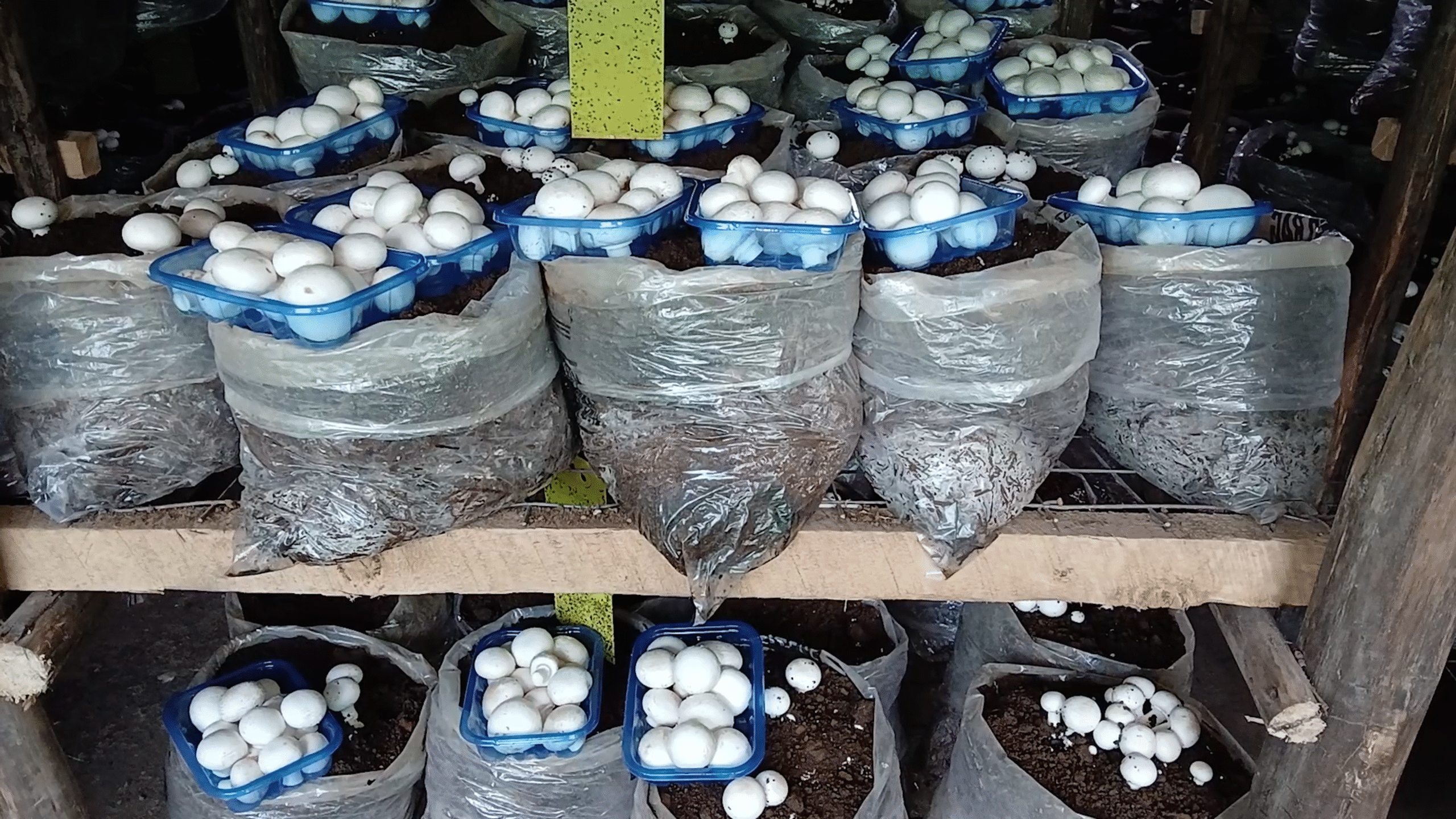
Here is a complete guide to indoor mushroom farming. An eco-friendly and profitable venture that has been embraced by urban farmers, small-scale entrepreneurs, as well as hobby growers worldwide.
Unlike traditional crops, acres of land or direct sunlight are not required. Only a controlled indoor space, a few basic materials, and proper knowledge are needed.
Through this guide, the process of mushroom cultivation will be explained step by step—from understanding mushrooms and their lifecycle, to setting up a grow room, maintaining conditions, harvesting, and also, selling mushrooms for profit.
Whether a small closet or a garage is being converted into a mushroom lab, confidence will be built to grow fresh food—and possibly to start a mushroom business.
What Are Mushrooms?
Mushrooms are classified as fungi, not plants. The edible part—the mushroom cap—is only the fruiting body, while the true life of the organism is carried out by mycelium, a thread-like network hidden beneath the surface.
The mycelium functions like a root system, spreading through a food source known as the substrate. Once the substrate is colonized and conditions are ideal, fruiting bodies are produced.
Because sunlight is not required, mushrooms thrive in cool, dark, and humid indoor environments. This makes them perfectly suited for indoor mushroom farming.
Although thousands of edible mushrooms exist, only a few varieties are commonly cultivated indoors:
- Oyster mushrooms – fast-growing and beginner-friendly
- Shiitake mushrooms – slightly slower but very popular
- Lion’s Mane – a gourmet mushroom valued for health benefits
- White Button and Portobello – common but more technical indoors
Each type has unique requirements, and success depends on creating the right conditions for the chosen variety.
Why Grow Mushrooms Indoors?
Indoor mushroom farming has been embraced for multiple reasons:
- Space efficiency – Outdoor land or soil is not required, making mushrooms ideal for apartments, basements, or garages.
- Fast growth – Some varieties, such as oysters, can reach harvest within 3–4 weeks.
- Controlled environment – Temperature, humidity, and airflow can be regulated indoors therefore, reducing pests and diseases.
- High demand – Mushrooms are similarly sought after by health-conscious consumers, chefs, and wellness industries.
- Sustainability – Agricultural by-products like straw, sawdust, and coffee grounds are often used as substrates, reducing waste.
In short, indoor mushroom farming has been recognized as a space-saving, eco-friendly, and profitable solution for modern growers.
Understanding the Mushroom Growing Cycle
The cycle begins with spores, which are comparable to seeds. Spores are used to create spawn, which contains active mycelium.
The spawn is mixed into a sterilized substrate such as straw, sawdust, or coco coir. This leads to the incubation stage, during which the substrate is kept in darkness at a warm temperature (24–28°C or 75–82°F). During this time, the mycelium spreads and colonizes the entire substrate.
Once colonization is complete, the fruiting stage is initiated. Humidity is increased, temperatures are lowered slightly, fresh air is introduced, and minimal light is provided. Consequentially, within days, small pins form, growing rapidly into harvest-ready mushrooms.
By mastering this cycle, effective management of an indoor mushroom farm can be achieved.
Setting Up an Indoor Mushroom Farm
Step 1: Space Selection
Initially, closets, basements, spare rooms, or garages can all be used. The space should be cleanable, ventilated, and fitted with electrical access.
Step 2: Creation of Two Zones
- Incubation area – kept dark and warm.
- Fruiting area – controlled for humidity, airflow, and light.
Separate rooms, shelving, or grow tents may be used to achieve this division.
Step 3: Environmental Control
- Humidity: 80–90% in the fruiting room is ideal, maintained by humidifiers or foggers.
- Temperature: Adjusted with heaters or air conditioning depending on mushroom type.
- Air exchange: Fans or filtered air holes supply fresh air while removing excess carbon dioxide.
- Light: A few hours of indirect fluorescent or LED light daily are sufficient.
Step 4: Substrate and Spawn Preparation
Pre-made mushroom kits or spawn from reliable suppliers are recommended. The spawn is mixed into the prepared substrate, packed into containers or bags, and left for colonization.
As a result of this setup, mushrooms can be cultivated year-round indoors.
Common Indoor Growing Systems
- Bag Culture – Substrate and spawn are sealed in filter-patch bags. After colonization, slits are made for mushrooms to sprout.
- Monotubs – Plastic bins with air holes, often used for bulk mushrooms such as oysters.
- Indoor Shelving Units – Tiered racks inside grow rooms with humidifiers and lighting systems.
- Grow Tents – Hydroponic tents repurposed for mushroom cultivation, affordable and enclosed.
The best system is determined by space, budget, and production goals.
Harvesting and Post-Harvest Handling
Harvesting usually occurs 5–7 days after pinning. Mushrooms are gently twisted or cut at the base. If left too long, spore release reduces quality.
After harvest, debris is brushed away without washing, as mushrooms absorb water easily. Storage in paper bags or ventilated containers inside a refrigerator preserves freshness for up to a week.
For extended shelf life, mushrooms may be dehydrated and sold as dried mushrooms, powders, teas, or supplements. Proper post-harvest handling ensures quality for both home consumption and market sales.
Selling Mushrooms for Profit
Mushrooms have been found to attract high demand in:
- Farmers’ markets
- Restaurants
- Subscription boxes
- Online delivery platforms
- Health food stores
Gourmet mushrooms such as lion’s mane or shiitake often sell for $10–20 per kilo, depending on the market. Clean handling, freshness, and local branding have been shown to attract loyal buyers.
Value-added products such as mushroom jerky, tinctures, teas, and grow kits have also been embraced as profitable business extensions.
In conclusion, indoor mushroom farming has been recognized as affordable, scalable, and sustainable. Only small indoor spaces and controlled environments are required. Notably, with proper setup, profitable harvests can be achieved year-round.
From spores to sales, the entire process of mushroom cultivation has been outlined. By following these lessons, both hobby growers and entrepreneurs can succeed in this rewarding venture.
Watch more on profitable mushroom farming here: Profitable Mushroom Farming