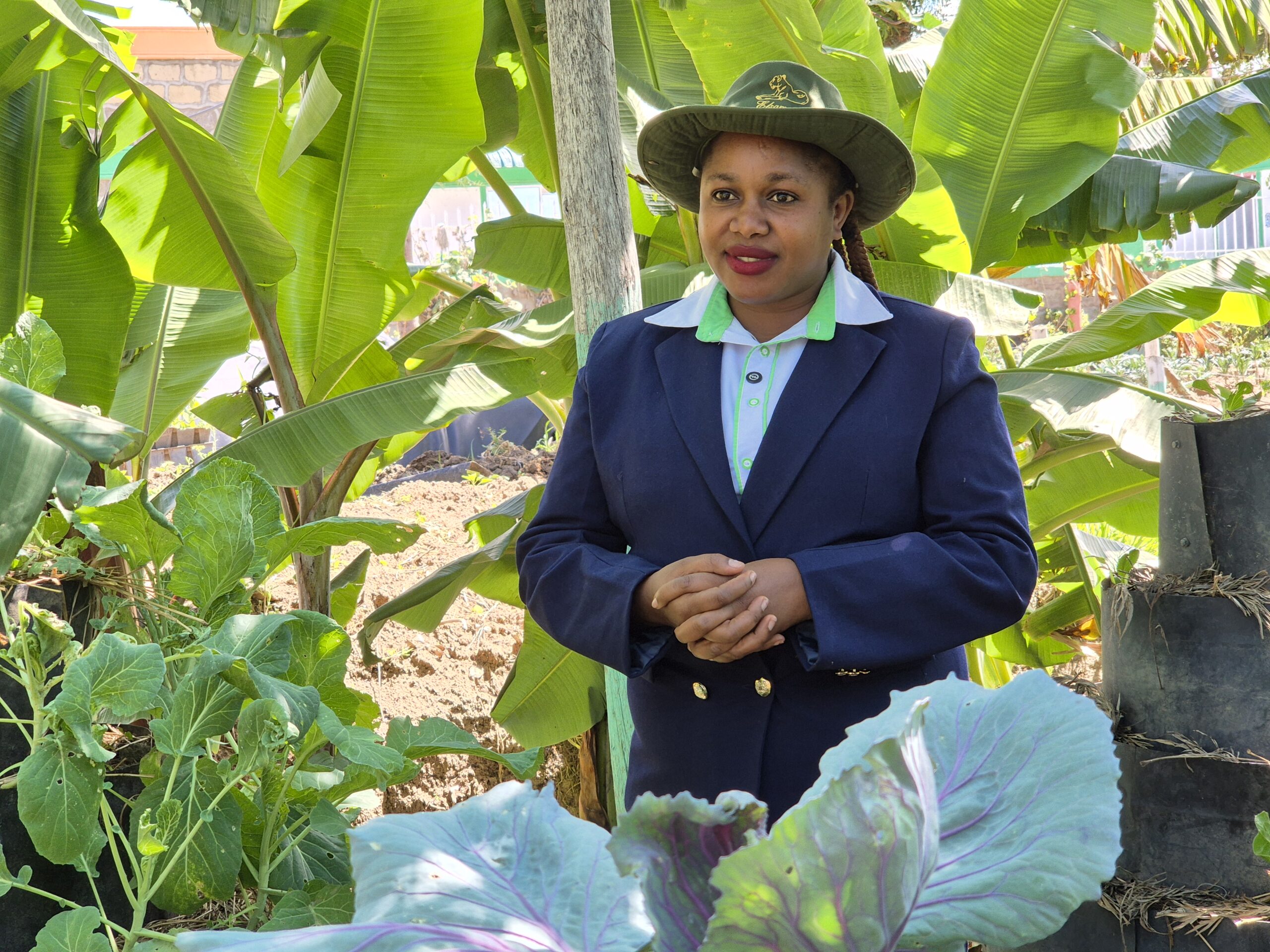
Kitchen garden farming is one of the simplest and most effective ways to achieve food security, improve nutrition, and even generate extra income right from your home. Not only does it require minimal space, but it also allows you to grow fresh, organic vegetables and fruits for your family.
According to Joyce Kihara, CEO and founder of Charis Farm in Naivasha, kitchen garden farming is essential for every household. In fact, she emphasizes that every home should have a small garden to support healthy living and sustainability.
What is Kitchen Garden Farming and Why It Matters
To begin with, kitchen garden farming involves growing your own vegetables, fruits, and herbs within your home compound. This could be in your backyard, balcony, or any small available space.
Moreover, this type of farming ensures:
- Access to fresh and organic food
- Improved family nutrition
- Reduced food expenses
- A healthier living environment
In addition, incorporating flowers and herbs not only enhances beauty but also creates a fresh and relaxing atmosphere. Therefore, it becomes more than just farming—it becomes a lifestyle.
Suitable Location for Kitchen Garden Farming
When setting up kitchen garden, choosing the right location is crucial. First and foremost, the area must be secure. For instance, avoid placing your garden near busy roads where it can be damaged.
Instead, consider:
- Your backyard
- A balcony
- A fenced or secure area
Most importantly, the space should be easily accessible and safe. After all, if the garden is disturbed, your entire effort can be affected. Therefore, always prioritize security and convenience.
Best Crops for Kitchen Garden Farming
When it comes to kitchen garden farming, selecting the right crops is essential. Ideally, you should focus on nutrient-rich vegetables and herbs that support healthy living.
Some excellent options include:
- Spinach (including purple and baby spinach)
- Broccoli
- Mustard spinach
- Herbs such as chamomile, lemongrass, thyme, and oregano
Additionally, growing a variety of crops ensures continuous harvest and balanced nutrition. As a result, you can reduce dependency on store-bought vegetables and even minimize medical expenses through healthy eating.
How to Set Up an Organic Kitchen Garden
One of the biggest advantages of kitchen garden farming is that it can be fully organic. At Charis Farm, for example, the focus is on recycling and sustainability.
To set up your organic kitchen garden:
- Reuse household water for irrigation
- Use natural fertilizers like rabbit urine
- Utilize biogas waste as manure
Furthermore, adopting these practices ensures that every waste becomes a resource. Consequently, you reduce costs while promoting environmentally friendly farming.
Soil Preparation for Kitchen Garden Farming
Proper soil preparation is the foundation of successful kitchen garden farming. Therefore, it is important to understand your soil before planting.
Start by:
- Conducting a soil test
- Identifying soil challenges
- Adding organic matter
In addition, practice crop rotation. Since crops belong to different families, rotating them helps maintain soil fertility and prevents disease buildup. As a result, your garden remains productive throughout the seasons.
Disease and Pest Control in Kitchen Gardening
Although kitchen garden farming is relatively easy, pests and diseases can still pose challenges. However, organic solutions are both effective and safe.
For example:
- Use herbs to repel insects
- Spray a mixture of garlic and ginger
- Apply urine manure as a natural pesticide
- Use yellow sticky traps to catch flies
Additionally, planting crops like lemon can naturally repel insects. Therefore, instead of using harmful chemicals, you can maintain a healthy and safe garden environment.
Water Management in Kitchen Garden Farming
Efficient water usage is another key advantage of kitchen garden farming. With proper techniques, you can save water while maintaining healthy crops.
For instance:
- Use less than two liters of water for small gardens
- Practice mulching to retain moisture
- Avoid overwatering
Moreover, innovative gardening methods such as wick systems help conserve water. As a result, your garden remains productive even in dry conditions.
Materials Needed for Kitchen Garden Setup
One of the best things about this type of farming is that you can start with locally available materials. This makes it affordable for beginners.
Common materials include:
- Plastic bottles
- Old tires
- Sacks (gunia bags)
- Buckets and containers
- Jerrycans
In addition, you can explore different gardening techniques such as:
- Vertical (multi-story) gardens
- Hanging gardens
- Tire gardens
- Simple drip systems
- Wick gardens
Therefore, regardless of your space or budget, you can easily start kitchen garden farming.
Importance of Shade Nets in Kitchen Garden Farming
Shade nets play a crucial role in protecting your kitchen garden. Not only do they reduce sunlight intensity, but they also help conserve moisture.
Furthermore, shade nets:
- Protect crops from heavy rain
- Prevent bird damage
- Improve water retention
As a result, your plants grow in a controlled and healthy environment, leading to better yields.
Benefits of Kitchen Garden Farming at Home
Kitchen garden farming offers numerous benefits, especially for beginners:
- Saves money on food
- Provides fresh and chemical-free produce
- Improves family health
- Utilizes small spaces effectively
- Promotes environmental conservation
In addition, it can also become a source of income if you scale production or sell surplus vegetables.
Final Thoughts on Kitchen Garden Farming
In conclusion, kitchen garden farming is a practical, sustainable, and profitable solution for modern households. Not only does it promote healthy living, but it also empowers families to become self-sufficient.
Therefore, if you are looking for an easy way to start farming at home, kitchen garden farming is the perfect choice. With the right knowledge, proper planning, and consistent care, you can transform even the smallest space into a productive and rewarding garden.
Now is the best time to start your kitchen garden farming journey and enjoy the benefits of fresh, organic food right at your doorstep.
Watch the full interview with Joyce on Youtube here
Read next: Black Soldier Fly Farming in Kenya