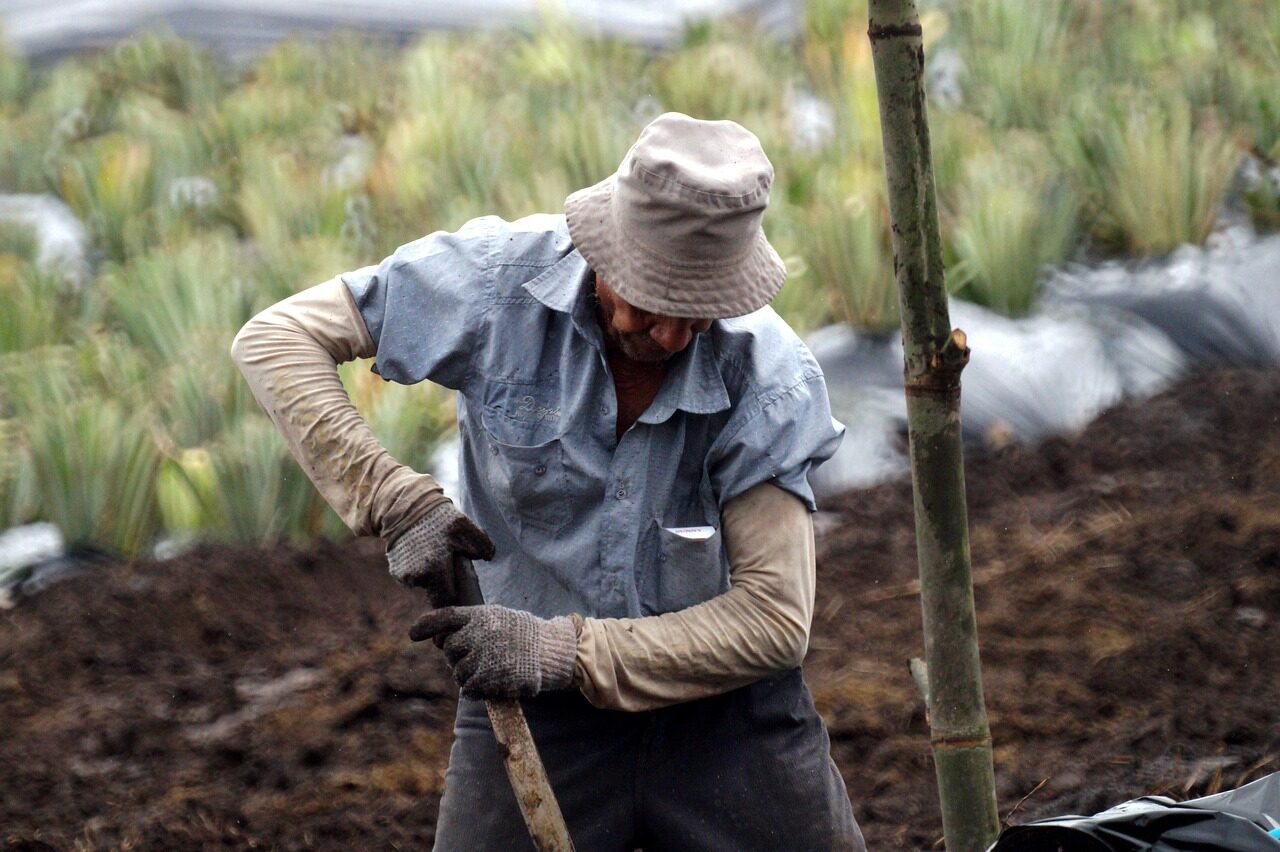
Organic farming and value addition present powerful opportunities in Kenya. As consumers increasingly demand healthy, chemical-free food, entrepreneurs who deliver quality with integrity stand to profit significantly. Yet, starting and scaling organic farming requires planning, perseverance, and a keen understanding of both production and market dynamics.
At Imagine Business, we guide you step by step, from idea to profit, so that you build a sustainable organic agribusiness that adds value.
Why Organic Farming & Value Addition Matter Now
First, demand for organic produce continues to grow across Kenya’s cities: Nairobi, Mombasa, Eldoret and even in smaller towns. People seek vegetables, fruits, and processed goods (juices, dried fruit, flours) that are free from harmful chemicals.
Moreover, organic sells at premium prices, particularly when you process or brand your products. Consequently, combining organic cultivation with value addition yields both income and impact.
Also, Kenya has favorable climate zones, diverse soil types, and a large agricultural workforce. Because of this, several value-added agribusiness ideas (like making organic jam, drying fruit, or milling sweet potatoes) succeed when farmers catch the right market. Furthermore, government policies and international interest in sustainable trade make organic products attractive for export, too.
However, many farmers miss value addition opportunities because they limit themselves to raw produce. Therefore, if you aspire to higher profit margins, you must embrace value addition from the start.
Step 1: Planning & Pre-Production
Before you plant the first seed, you must plan smartly. Without preparation, risks increase; with planning, chances of success rise.
Market Research
- First, identify what organic products customers need locally. Do people want organic leafy vegetables, jams, flours, or herbs?
- Next, research pricing: how much more are people willing to pay for organic vs conventional produce?
- Also, study what competitors do: packaging, branding, where they sell (farmers’ markets, supermarkets, online).
Site Selection and Soil Preparation
- Choose land away from pollution and chemical drift-areas.
- Test soil for nutrient levels, pH, organic matter.
- Use compost, manure, green manures to enrich soil organically.
Choose Crops Wisely
- Begin with fast-yield organic vegetables like leafy greens, kale, spinach, and tomatoes. These provide revenue quickly.
- Include staple crops (e.g. sweet potatoes) for food security and consistent production.
- Consider climate and seasonality so you plan crops year round.
Value Addition Plan
- Define what you will add: will you dry, mill, package or convert crops into processed goods?
- Build capacity or partner with local processing centers.
- Plan packaging, labeling, and branding early—customers care about appearance.
Legal & Certification
- Understand national and international organic certification standards (e.g. Kenya Organic Agriculture Network, organic export standards).
- Comply with local regulations for food safety, labeling, export permits.
Finances & Budgeting
- Estimate startup costs: land preparation, seeds, seedlings, organic inputs, processing equipment.
- Estimate recurring costs: labor, irrigation, packaging, transport.
- Plan for break-even; ensure you have buffer capital for unforeseen issues.
Step 2: Production & Managing the Farm
With your foundations laid, you move into actual production. How you manage crops and processes determines quality and profitability.
Organic Farming Practices
- Use compost, animal manure, crop rotation, cover crops.
- Employ natural pest control (e.g. use beneficial insects, neem, traps).
- Maintain rigorous hygiene to avoid disease.
Effective Farm Management
- Keep detailed records: planting dates, input sources, yields, costs.
- Monitor weather and soil moisture. Use drip irrigation or mulching to conserve water.
- Train farm workers (if any) on organic standards; consistency matters.
Value Addition on Farm
- Harvest at the right time to preserve nutrient content and flavour.
- If drying fruit or making jam, ensure you have clean-water, proper hygienic spaces, and reliable processing equipment.
- Package products in food-safe, attractive packaging and label properly (ingredients, “organic”, expiry date).
Branding & Packaging
- Design appealing labels and logo.
- Use packaging that keeps products fresh, natural, and safe.
- Promote the organic aspect: “chemical free”, “locally grown”, etc.
Step 3: Post-Production & Marketing
Even after adding value, you must take your product to market efficiently. Post-production involves finishing touches and marketing.
Quality Control and Certification
- Test your products for safety standards (microbial, chemical).
- If you aim for exports, ensure you meet international organic certification and export requirements.
Pricing Strategy
- Factor in all costs (production, value addition, packaging, transport, marketing).
- Then add a profit margin. Since organic added value can command higher prices, don’t underprice.
- Also consider premium channels: upscale local groceries, hotels, online platforms.
Distribution Channels
- Sell at farmers’ markets, organic fairs, and pop-ups.
- Approach supermarkets and local shops that stock organic goods.
- Use digital platforms and social media to reach urban consumers. Online delivery can be a good option, especially in Nairobi.
Branding & Customer Experience
- Share the story: highlight your farm, your organic practices, your values. Customers appreciate authenticity.
- Use appealing visuals—photography, video, packaging—that communicates your organic promise.
- Ensure customer feedback loops: collect reviews, improve product packaging or flavour as needed.
Scaling & Innovation
- As you grow, invest in better equipment (solar dryers, milling machines, cold storage).
- Explore value chain partnerships: link with cooperatives, processing hubs, export agents.
- Innovate with new products: herbal teas, organic spices, organic cosmetic ingredients.
Navigating Challenges & Risks
Organic agribusiness is rewarding, yet it comes with risks. However, you can mitigate many through careful planning and adaptation.
- Pest and Disease Pressure: Without synthetic pesticides, you rely on integrated pest management. Monitor your farms consistently.
- Market Fluctuations: If demand drops or competition increases, you must diversify crops or value-added products.
- Certification Costs: Certification can be expensive. However, gauge whether local premium market or export justifies certification. Sometimes, you can start with “locally verified organic” before formal certification.
- Climate Variability: Droughts, flooding, erratic rainfall pose threats. Use drought-tolerant varieties, water harvesting, mulching.
Real Examples & Case Studies
To make this concrete, here are a few sample success stories & possible case models:
- A small farm near Kiambu that dries mangoes and packages slices for Nairobi boutique shops.
- A family farm in Nakuru that grows organic kale and spinach, provides CSA (community-supported agriculture) boxes to subscribers.
- A sweet potato farm in Western Kenya that processes chips and sweet potato flour, sells into local hotels and bakeries.
These examples show that value addition plus organic practices lead to better margins, more stable income, and stronger brand recognition.
Final Thoughts & Action Steps
If you want to build a profitable organic agribusiness in Kenya, then follow these steps:
- Conduct market research to identify demand and potential value-added products.
- Plan carefully: select land, test soil, estimate finances.
- Use sound organic farming and value addition practices from the beginning.
- Brand well, package well, and tell your story.
- Explore multiple distribution channels.
- Monitor, adapt, and scale when ready.
At Imagine Business, we believe that agribusiness with value addition serves not only profits, but also community health, environmental sustainability, and entrepreneurial growth. With the right mindset, skills, and effort, your organic farming venture can transform both your life and your community.